
Restaurant Technology · Restaurant Industry
Protect Thin Margins with Smarter Menu Decisions
Thin margins do not survive guesswork. In restaurants, small misses add up fast: demand shifts, pricing lags, prep gets too heavy, and comped items quietly eat into profit. By the time those leaks...
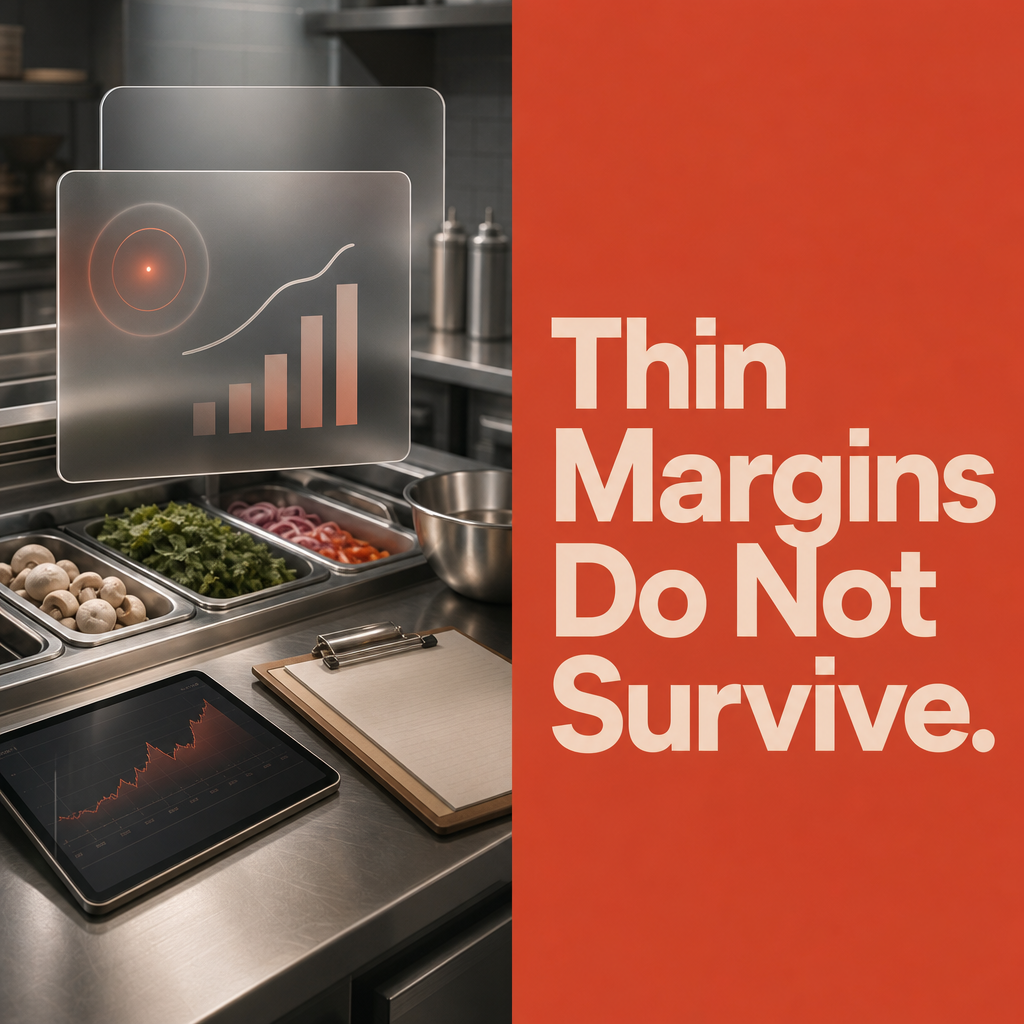
Thin margins do not survive guesswork. In restaurants, small misses add up fast: demand shifts, pricing lags, prep gets too heavy, and comped items quietly eat into profit. By the time those leaks show up clearly in the P&L, the week is already gone.
That is why menu decisions need to be treated like operating data, not gut feel. The goal is not more complexity. The goal is better visibility into what is moving, what is stalling, and where labor and prep are slipping away from margin.
When demand shifts, the kitchen feels it first
Operators know the pattern. A dish that used to sell steadily slows down. Another item starts moving faster than expected. Forecasts do not catch up right away, and prep levels stay stuck on yesterday’s numbers. That is where waste begins.
When demand changes and the team keeps producing the same volume, product goes unused, storage gets crowded, and labor gets spent on items that are not carrying their weight. The problem is not always visible on the line. It shows up later as waste, rework, and margin pressure.
Menu decisions should be tied to operational performance
A menu is not just a list of dishes. It is a working system that affects purchasing, prep, labor, and guest satisfaction. Every item should be evaluated by how it performs in the real business, not by assumptions or habit.
We help restaurant operators look at menu performance the way they look at any other operating metric. Which items move consistently? Which ones stall? Which dishes create extra prep burden without enough return? Which comps and waste patterns are cutting into the week?
Those questions matter because they expose the difference between a menu that looks good on paper and one that actually protects margin in service.
Waste and comps are margin issues, not side notes
Food waste is not just a back-of-house inconvenience. Comped items are not just guest recovery. Both reduce the profit left over after the shift is done. In a business with thin margins, those losses deserve the same attention as sales.
That means tracking the signals early. If an item is slowing down, prep should adjust. If a dish is repeatedly comped, the pattern should be reviewed. If labor is being spent on menu items that do not move, the operation should ask whether that effort is being paid back.
Protecting margin is often about catching these small leaks before they become routine. The faster the team sees the pattern, the faster the operation can respond.
Protect the week with better visibility
Restaurants do not need more guesswork. They need clearer operating data that helps them make better calls during the week, while there is still time to act. That is the standard we build around at Dinemetric: helping operators track what moves, what stalls, and where prep and labor are leaking margin before it reaches the P&L.
When menu performance is measured with discipline, operators can protect the week instead of reacting after it is over. That means tighter prep, fewer surprises, and more control over the decisions that shape profitability.
For restaurant owners, multi-unit operators, and food service managers, the takeaway is simple: thin margins need systems, not guesses. See how Dinemetric helps restaurant teams protect margin with operating data.